Comprehensive Guide to Wastewater Treatment in Wyoming: Strategies for Sustainability
Wyoming, known for its breathtaking landscapes and vast open spaces, is also home to a unique challenge: managing wastewater in a sustainable manner. As the state continues to grow, the demand for effective wastewater treatment solutions becomes increasingly important. This comprehensive guide explores the various strategies and technologies employed in Wyoming to ensure sustainable wastewater management.

Understanding Wastewater Treatment
Wastewater treatment is the process of removing contaminants from water discharged from homes, industries, and businesses. The goal is to produce water that is safe for the environment and public health. In Wyoming, this process is critical due to the state's unique ecological balance and limited water resources.
Key components of wastewater treatment include physical, chemical, and biological processes. These methods work together to reduce pollutants and prepare water for reuse or safe release into natural water bodies.
Physical Treatment Methods
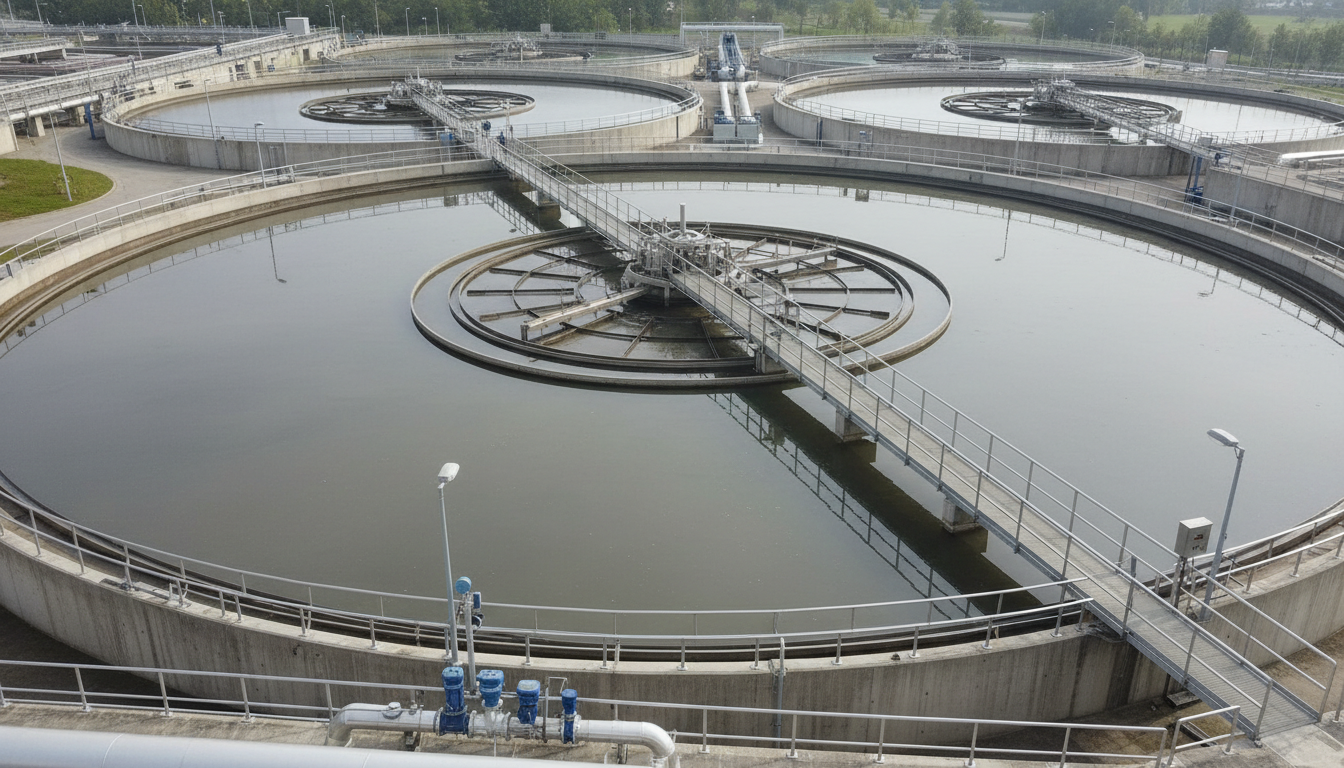
Physical treatment involves the removal of large solids and particles through processes such as screening and sedimentation. These methods are often the first step in wastewater treatment, providing a foundation for more advanced techniques.
Chemical and Biological Treatment
Chemical treatment involves adding substances to neutralize or remove contaminants. Common chemicals used include chlorine and ozone. These processes are essential for eliminating pathogens and ensuring the treated water is safe for discharge.
Biological treatment, on the other hand, uses microorganisms to break down organic matter. This method is particularly effective in removing nutrients that could otherwise harm the environment. Biological treatment is a cornerstone of sustainable wastewater management in Wyoming.
Advanced Treatment Technologies
Wyoming is embracing advanced treatment technologies to enhance sustainability. Membrane filtration, ultraviolet disinfection, and advanced oxidation processes are examples of cutting-edge methods that improve water quality and reduce environmental impact.

Strategies for Sustainability
Implementing sustainable strategies is crucial for effective wastewater management. In Wyoming, a focus on reducing energy consumption and optimizing resource use is prevalent. This includes utilizing renewable energy sources and recycling water for non-potable uses.
Community Involvement and Education
Community involvement is key to successful wastewater treatment. Educational programs and public awareness campaigns help residents understand the importance of sustainable practices, leading to greater support and compliance.

Innovative funding models, such as public-private partnerships, are also being explored to support infrastructure upgrades and ensure long-term sustainability. By fostering collaboration between government, industry, and communities, Wyoming is paving the way for a cleaner, more sustainable future.
In conclusion, wastewater treatment in Wyoming is an evolving field aimed at balancing growth with environmental stewardship. Through a combination of traditional methods, advanced technologies, and community engagement, the state is setting a standard for sustainable wastewater management.